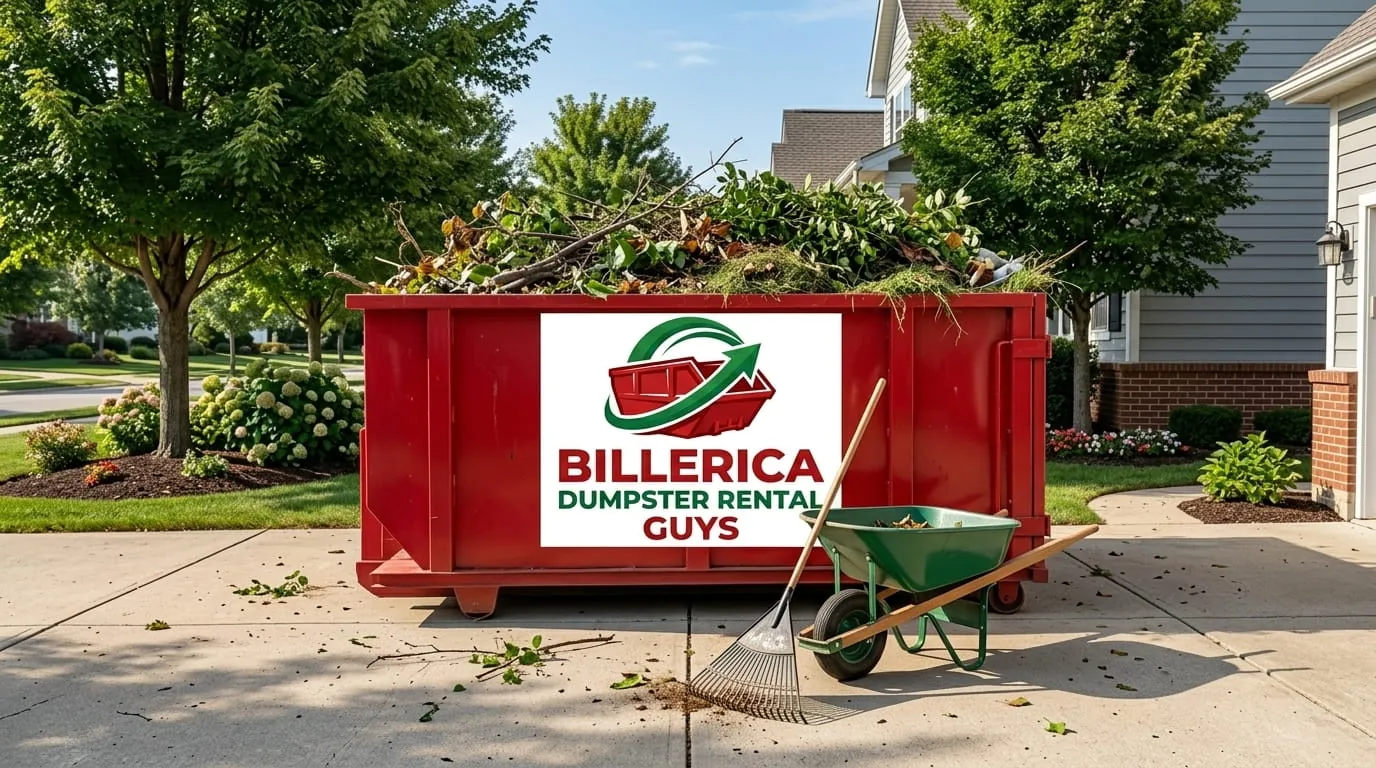
Most people hear the word "dumpster" and picture a metal box that swallows everything and hauls it off to a hole in the ground. That's the old way. It hasn't been the reality in Massachusetts for a long time, and it definitely isn't how we run things here in Billerica. When a roll-off leaves your driveway on Boston Road or off Andover Street, it doesn't go straight to a landfill. It goes to a transfer station or a materials recovery facility, where the load gets pulled apart, weighed, and sorted. A surprising amount of it never sees a landfill at all.
This guide walks through what actually happens to your debris, what counts as recyclable, the state waste bans you need to know about, and a few honest ways to cut down on what you throw away in the first place. I've been loading and hauling containers around the Merrimack Valley long enough to know that a little planning on the front end saves you money and keeps a whole lot of good material out of the trash stream.
Where your debris really goes after pickup
Massachusetts has some of the tightest disposal rules in the country, and that's not a knock. It's the reason the system works the way it does. When we pick up a full container, it heads to a licensed facility rather than a dump. There, the load gets tipped onto a sorting floor. Crews and machinery separate out the material by type: metals, wood, cardboard, aggregate, and the general trash that's genuinely bound for a landfill or a waste-to-energy plant.
The cleaner your load, the more of it gets diverted. A dumpster packed with one type of material, say a roof tear-off or a pile of old lumber, is easy to process and cheap to handle. A load that's all mixed together, with drywall dust coating a broken bike frame next to half a can of paint, is slower to sort and costs more at the scale. That difference in "clean" versus "mixed" is one of the biggest levers you have over your final bill, and it's worth understanding before you start tossing things in.
What's genuinely recyclable out of a roll-off
Here's the material that reliably gets pulled and given a second life when it comes off a Billerica job site.
Metal. This is the easy one. Steel, aluminum, copper, old appliances, cast iron radiators, pipe, wire, rebar, that rusted swing set in the backyard. Scrap metal has real value, so it almost always gets recovered. If you've got a big pile of clean metal, it's often worth setting it aside entirely; scrap yards up around Lowell will sometimes pay you for it rather than the other way around.
Cardboard and clean paper. Moving boxes, packaging, the mountain of cardboard that comes with any renovation. Broken down flat, it's one of the most valuable and easily recycled materials there is. Keep it dry and out of the muck if you can.
Clean wood. Framing lumber, plywood, pallets, untreated dimensional wood, that's all recoverable and gets chipped for mulch or biomass. The word "clean" matters. Pressure-treated wood, painted or stained boards, and anything with hardware still driven through it are treated differently and can't always go the same route. If you're doing a deck tear-out, be aware most decking is pressure-treated and gets handled as regular debris.
Concrete, brick, and asphalt. Old walkways, foundation chunks, patio pavers, that cracked slab behind the garage. This aggregate gets crushed and reused as fill or road base. It's heavy, though, so a concrete-only load usually goes in a smaller container to stay under weight limits. Never mix a full load of concrete into a big dumpster and expect a flat rate; the weight will blow past what the box is rated for.
Asphalt shingles. Many facilities in the region now recycle shingle tear-offs into new pavement material. A clean roofing load, shingles and nails only, is a good candidate for diversion.
Keeping these materials separated when it's practical is the single most effective thing a homeowner or contractor can do. If your project is generating a lot of one clean material, ask us about it. Sometimes the smartest move is a dedicated container or a quick junk removal run for the bulky reusable stuff before the debris container even shows up.
Massachusetts waste bans: what cannot go in the dumpster
This is the part people trip over, so read it twice. MassDEP maintains a list of materials that are banned from disposal statewide. These items cannot legally go into a landfill or incinerator, which means they can't ride out in a standard roll-off. They have to be handled separately, and putting them in your container can trigger extra fees or a rejected load. The list has grown over the years, and as of the most recent updates it includes:
- Mattresses and box springs. Banned as of late 2022. They're bulky, they gum up equipment, and their components (steel, foam, wood) are highly recyclable. They must go to a mattress recycler, not a dumpster.
- Textiles. Clothing, shoes, linens, fabric, even torn or stained items. Banned from trash. Usable pieces should be donated; the rest goes to textile recovery.
- Food and organic waste. The commercial and institutional threshold keeps dropping, and large generators must divert organics rather than trash them. For most home renovations this won't apply, but it matters for restaurant and commercial cleanouts.
- Electronics: CRTs, computers, TVs, monitors. Cathode-ray tube screens and most electronics are banned. They contain lead and other materials that require proper e-waste handling.
- Metal, most recyclable containers, and yard waste (leaves, brush, grass). All banned from the trash and expected to be recycled or composted.
- Appliances with refrigerant, and items containing mercury. Fridges, freezers, and AC units need refrigerant removed by a certified tech before disposal.
None of this is meant to scare you off. The vast majority of construction and cleanout debris, drywall, insulation, flooring, trim, general trash, goes in the dumpster just fine. The banned items are the exceptions, and the fix is simple: set them aside and route them correctly. If you're not sure whether something belongs in the box, call us before it goes in. A thirty-second phone call is a lot cheaper than an overweight or contaminated-load charge.
The rules do change, and the specifics of what your local drop-off accepts can vary. Always confirm current requirements with the Town of Billerica and MassDEP before you assume anything about a particular item. What was true two years ago may have tightened since.
Not sure how a load should be sorted for your project? Call Billerica Dumpster Rental Guys at (978) 330-1722 and we'll walk you through it before you fill a thing.
Donate first, dump second
Before a single reusable item hits the container, ask whether someone else could use it. This is where the biggest waste reductions happen, and it costs you nothing but a little effort.
Kitchen cabinets in decent shape, working appliances, solid doors, light fixtures, unused tile and lumber, furniture, and building materials all have a second life waiting. Habitat for Humanity ReStore locations in the greater Lowell area take usable building materials and resell them, and the proceeds fund local housing. Local charities and shelters take furniture and household goods. Even that pile of leftover brick or the extra bag of concrete mix can find a taker on a neighborhood swap board.
Textiles deserve a special mention because of the ban. Clothes, curtains, shoes, and linens, even ripped or worn ones, should never go in the trash in Massachusetts. Donation boxes and textile bins handle both the wearable and the unwearable. Someone's old jeans become insulation or industrial rag stock.
Diverting reusable material shrinks the volume going into your dumpster, which can mean a smaller container and a lower bill. It's the rare case where doing the right thing and saving money point in the same direction. You can read more about how we operate on our about page.
Reducing project waste before you rent
The cheapest debris is the debris you never generate. A few habits go a long way:
- Measure your materials honestly. Over-ordering lumber, drywall, or tile means paying to buy it and paying again to throw it out. Buy close to what you need and return the unopened surplus.
- Deconstruct instead of demolish where it makes sense. Carefully removing cabinets, fixtures, and trim keeps them intact for donation. Smashing everything turns reusable goods into landfill.
- Separate as you go. Keep a spot for metal, a spot for clean wood, and a spot for cardboard. Sorting at the source is easy; sorting a compacted mixed pile later is miserable.
- Right-size your container. A dumpster that's too big tempts you to fill it. One that's too small means a second haul. Tell us the real scope and we'll match the box to the job.
- Keep banned and hazardous items out entirely. Paint, solvents, propane tanks, and chemicals need household hazardous waste collection, not a roll-off. Billerica runs collection events; check the town calendar.
Why this matters for Billerica
Landfill space in eastern Massachusetts is tight and getting tighter. Disposal costs climb every year, and those costs flow straight back to you through tipping fees at the scale. Every ton diverted, every clean load sorted, every reusable cabinet donated, pushes back against that. It's not just feel-good environmentalism. It's the mechanism that keeps roll-off pricing reasonable for the whole Merrimack Valley.
We handle the sorting and the routing on our end so you don't have to think about the machinery of it. Your job is simpler: keep loads as clean as you can, pull out the banned items, donate what's usable, and call when you're unsure. We'll take care of getting the rest to the right place.
Ready to rent, or just have a question about what goes where? Reach out through our contact page or call (978) 330-1722. We serve Billerica and the surrounding Greater Lowell and Merrimack Valley towns, and we're happy to talk through your project before you book.
Founder, Billerica Dumpster Rental Guys — sharing straight advice from more than 15 years of local hauling experience.